
Despite the abundance of olive groves now scattered across the world, in both the northern and southern hemisphere, most olive oil continues to come from the Mediterranean. The intricate nature of the olive tree is evident in the many varieties of olives that exist. While color, size and composition may all point towards a certain variety, the maturity of the olive plays an important role as it affects both the taste and the oil produced. Additionally, some olives are suitable only as table olives and others are suitable only to produce oil.
Koroneiki Variety
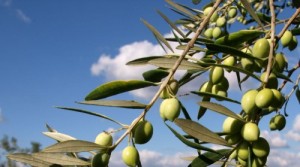
Kalamata is unique to Greece, producing some of the finest extra virgin olive oil in the world primarily from one type of olive: the regal, smaller variety known botanically as Koroneiki. The olives are harvested while still green to ensure the title of “early-picked” or “green” olive oil. They are mainly found in the southern Peloponnese and certain areas of Crete. What sets the Koroneiki apart, both in terms of the seed and the olive oil produced, is its unique method of farming.
What it lacks in quantity, it makes up for in quality. These olives yield approximately 4to 6 liters of the best olive oil per tree, which is golden-green in color and highly acclaimed for its fruity, fresh flavor as well as its high nutritional value.